
Stewardship in the deep
How do we care for a system that outlasts us?

Stewardship is usually framed as care for places we can see, manage, or revisit. Forests, fisheries, coastlines. The deep sea breaks that definition. It is distant, slow to recover, and largely inaccessible, yet increasingly shaped by decisions made far from it. It means restraint, foresight, and responsibility for consequences that unfold on timescales longer than our institutions, funding cycles, or political attention spans.

Stewardship assumes proximity. A community manages what it depends on and can observe. The deep sea challenges that assumption. If responsibility extends to places beyond daily experience or direct benefit, then stewardship becomes a question of obligation rather than ownership.
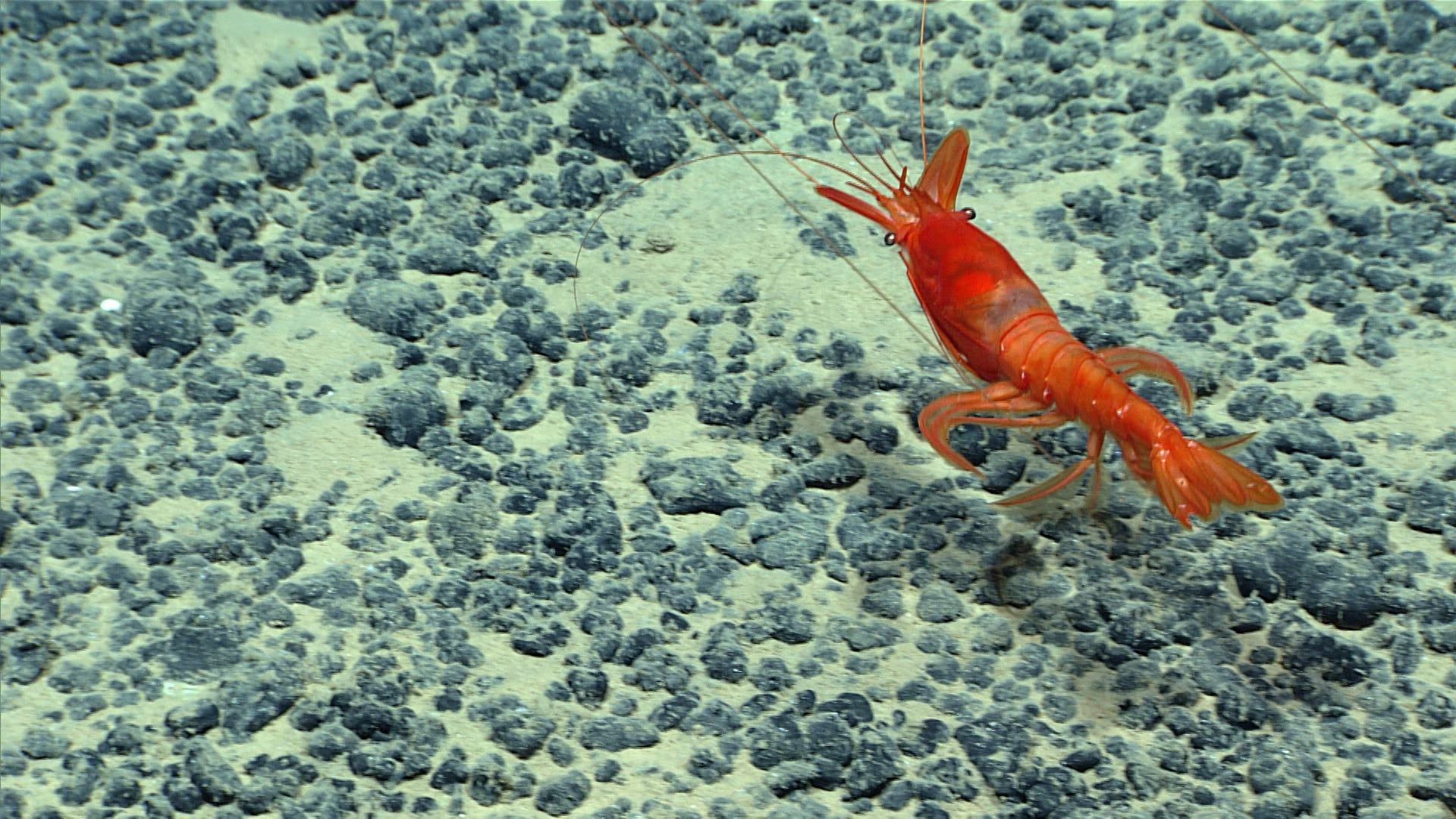
The discomfort comes from the fact that obligation does not disappear simply because a place is out of sight. If anything, distance increases the burden of care. When consequences fall on systems that cannot advocate for themselves, stewardship becomes less about balancing interests and more about deciding where restraint is owed, even in the absence of immediate accountability.

In the deep sea, stewardship may not be measured by what we do, but by what we choose not to do. The question is whether restraint can count as responsibility in systems where correction comes too late to matter.
For readers interested in where these conversations are taking place, a few groups are engaging directly with questions of deep-ocean responsibility, governance, and restraint.
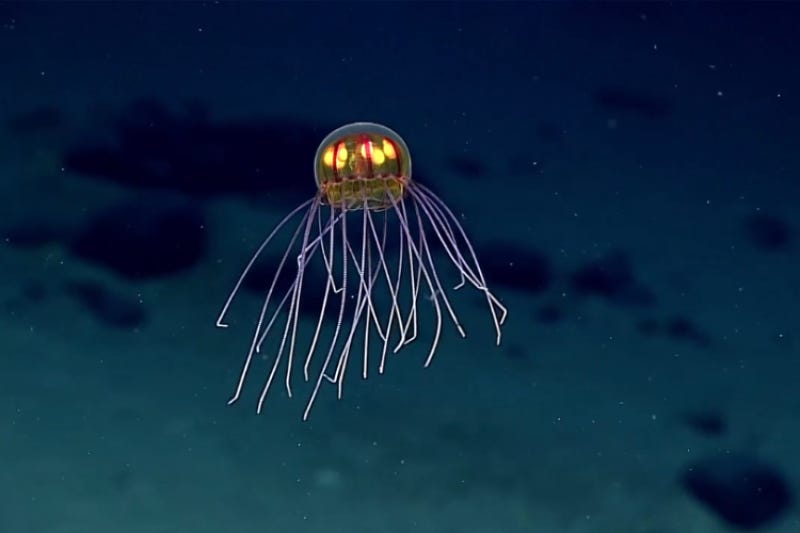
Organizations thinking seriously about deep-sea stewardship:
Deep Ocean Stewardship Initiative (DOSI)
A global network of scientists, policymakers, and legal scholars focused on responsible deep-ocean governance and precautionary approaches.Deep Sea Conservation Coalition
Coordinate with over 130 NGOs and lobbies on two main missions: To remove and mitigate the greatest threats to life in the deep sea and to safeguard the long-term health, integrity and resilience of deep-sea ecosystems.
Ocean Discovery League
Works to expand deep-sea observation and access in ways that prioritize scientific understanding over extraction.NOAA Deep Sea Coral Research and Technology Program (DSCRTP)
Coordinates research and management around vulnerable deep-sea ecosystems, with an emphasis on protection and long-term monitoring.Pew Charitable Trusts Project: Ocean Governance
Engages in international policy and treaty processes related to deep-sea mining, biodiversity beyond national jurisdiction, and precautionary management.WWF – Stop Deep Sea Mining Initiative
Focuses on moratoria, precaution, and governance gaps related to seabed mining.